Advertisement
- A study found that consuming flavanol-rich cocoa can prevent the immediate damage that prolonged sitting and sleep deprivation inflict on blood vessel function and cognitive performance.
- The research showed that these stressors impair vascular health by reducing the availability of nitric oxide, a crucial molecule for artery flexibility and healthy circulation.
- In experiments, participants who consumed high-flavanol cocoa did not experience the typical decline in a key indicator of vascular health (flow-mediated dilation) after sitting or sleep deprivation, unlike those who had a low-flavanol placebo.
- Flavanols, which are abundant in cocoa, work by supporting the body’s production and activity of nitric oxide, effectively creating a protective shield for the cardiovascular system.
- While practical sources like dark chocolate (70%+ cocoa), tea and berries can offer these benefits, scientists emphasize that a flavanol-rich diet should complement, not replace, healthy habits like regular movement and sufficient sleep.
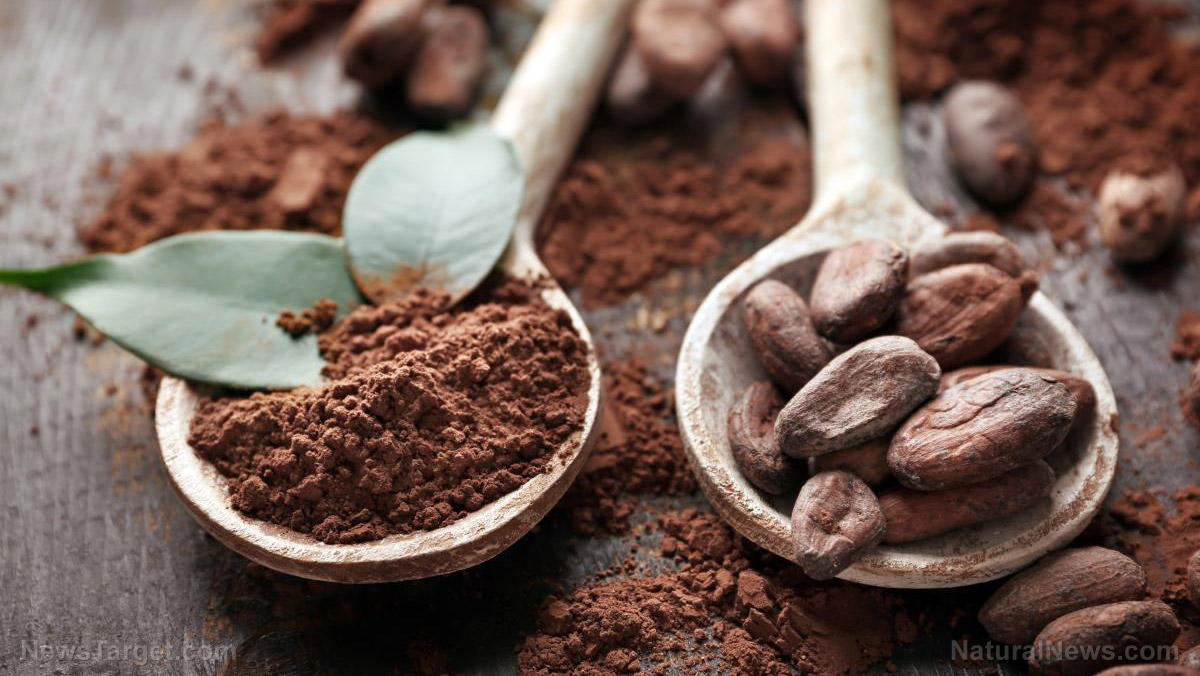
In a world increasingly chained to desks and screens, a groundbreaking study offers a startling and accessible defense against the silent scourge of prolonged sitting and sleep deprivation. Scientists have discovered that a humble cup of flavanol-rich cocoa can completely prevent the immediate damage that inactivity and lack of sleep inflict on our blood vessels and cognitive function. This research, published in the prestigious Journal of Physiology suggests that a simple dietary intervention could be a powerful tool in combating leading causes of heart disease and mental fatigue.
“Flavanol-rich cocoa is a source of specific compounds called flavan-3-ols, such as -epicatechin and procyanidins. These compounds are a type of flavonoid found in various plants,” said BrightU.AI‘s Enoch. “Research suggests they have the potential to protect neurons, reduce inflammation and promote cognitive and vascular health.”
The modern health epidemic: Sitting and sleep deprivation
Modern life is a sedentary endeavor. The average young adult now spends six hours per day seated, a behavior strongly linked to increased risks of obesity, heart disease and depression. Compounding this is the widespread issue of sleep deprivation, which has been connected with detrimental effects on blood pressure, endothelial function and arterial stiffness. Both prolonged sitting and insufficient rest place the body under unique stress, gradually impairing the function of blood vessels by reducing the availability of a crucial protective molecule called nitric oxide. This molecule acts as a master regulator, controlling how our arteries widen to allow for healthy circulation.
To confront these growing threats, nutritional scientists designed meticulous experiments. In one study, researchers administered either high-flavanol or low-flavanol cocoa to individuals who had not slept properly to explore its potential effects on both heart function and mental acuity. In another, they recruited healthy young men and had them consume either a high-flavanol cocoa drink or a placebo before sitting perfectly still for two hours. The researchers then employed advanced ultrasound technology to measure a key indicator of vascular health known as flow-mediated dilation (FMD), which gauges an artery’s flexibility and health. A reduction in FMD is a critical gauge of cardiovascular risk.
A stark contrast in outcomes
The results of the experiments were both clear and dramatic. When participants consumed the low-flavanol placebo, their blood vessel function declined significantly after sitting or due to sleep loss. This harmful effect was universal, observed regardless of a person’s baseline fitness level. However, the groups that consumed the high-flavanol cocoa presented a completely different picture. The study concluded that the flavanols found in cocoa offer protective benefits for cardiovascular well-being, with the drink creating a biological forcefield that neutralized the damaging effects.
Specifically, flavanol-rich cocoa was found to combat negative hemodynamic consequences by reducing elevated systolic and diastolic blood pressures, pulse wave velocity and impairments in flow-mediated vasodilation. After two hours of uninterrupted sitting or following sleep deprivation, the blood vessel function of those who drank the high-flavanol cocoa showed no decline. The protective molecule nitric oxide remained available, and the arteries retained their healthy ability to widen.
Why flavanols are a vascular shield
Flavanols are natural compounds found in certain plant-based foods, including tea, berries, apples, and most abundantly, in the cocoa bean. A growing body of evidence has shown these compounds can improve endothelial function—the health of the thin membrane lining our blood vessels—and lower blood pressure. They effectively do this by supporting the production and activity of nitric oxide. In the context of prolonged sitting or sleep deprivation, flavanols appear to step in to compensate for the physiological stress and reduced blood flow, ensuring that this vital protective system remains online and functional.
The most compelling aspect of this research is its practicality. Incorporating flavanol-rich foods into one’s diet is neither complex nor expensive. To replicate the studies’ benefits, individuals should look for high-quality dark chocolate with a cocoa content of 70% or higher. Just a small square can provide a meaningful dose. For those who prefer other sources, green tea, black tea, apples, grapes, plums, berries and nuts are all excellent and readily available options.
It is crucial to understand that this research does not suggest cocoa is a license to remain motionless or forego sleep. The scientists behind the studies strongly emphasize that the most powerful health strategy combines a flavanol-rich diet with healthy lifestyle habits, including the deliberate interruption of sitting periods and prioritizing sufficient rest.
This collective research marks a paradigm shift in how we view the relationship between diet and modern health risks. It demonstrates that even the most physically fit among us are not immune to the vascular consequences of prolonged sitting or sleep loss. Yet, it also provides a powerful and democratizing solution: a simple, accessible dietary choice can offer a layer of protection. In an era defined by sedentary habits and constant busyness, the message is clear. The path to better vascular and cognitive health may not always require breaking a sweat, but it might just begin with breaking off a square of dark chocolate or savoring a carefully chosen cup of cocoa.
Watch and discover the health benefits of flavanol-rich cocoa.
This video is from the All About Herbs channel on Brighteon.com.
Sources include:



Advertisements


Food.News © 2026 All Rights Reserved. All content posted on this site is commentary or opinion and is protected under Free Speech. Food.News is not responsible for content written by contributing authors. The information on this site is provided for educational and entertainment purposes only. It is not intended as a substitute for professional advice of any kind. Food.News assumes no responsibility for the use or misuse of this material. Your use of this website indicates your agreement to these terms and those published on this site. All trademarks, registered trademarks and servicemarks mentioned on this site are the property of their respective owners.